Stringing vs Bead Weaving vs Wire Wrapping: Which Technique First?
Walking into a bead shop in 2026 can feel overwhelming. Shelves overflow with tiny glass seeds, spools of wire, and every clasp imaginable. New makers often freeze at the same question: which technique should I learn first? The good news is there is no single “best” starting point—only the one that matches the kind of jewelry you actually want to wear.
Stringing, bead weaving, and wire wrapping each solve different creative problems. Stringing gives you a finished necklace in an afternoon. Bead weaving rewards patience with intricate, fabric-like results. Wire wrapping offers immediate structural control and a natural bridge into metalsmithing. Choosing based on your desired end product, rather than what looks most impressive on Instagram, leads to faster progress and far less frustration.
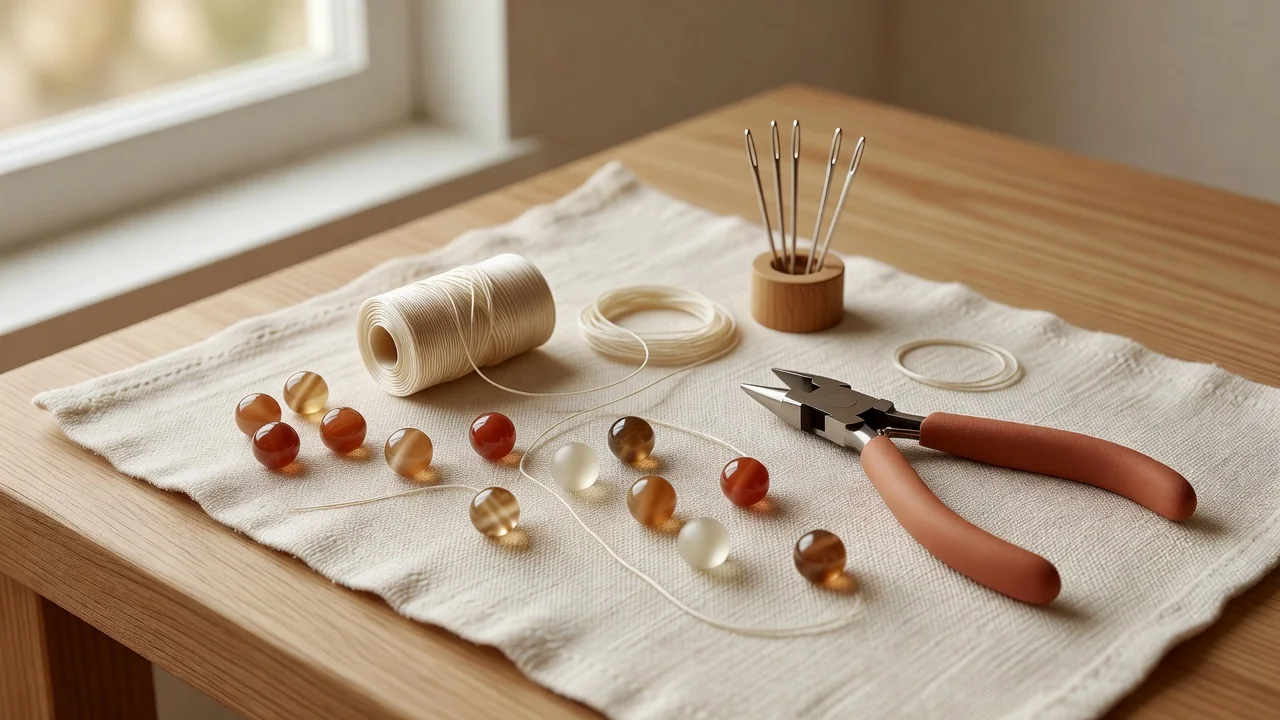
What Each Technique Actually Is
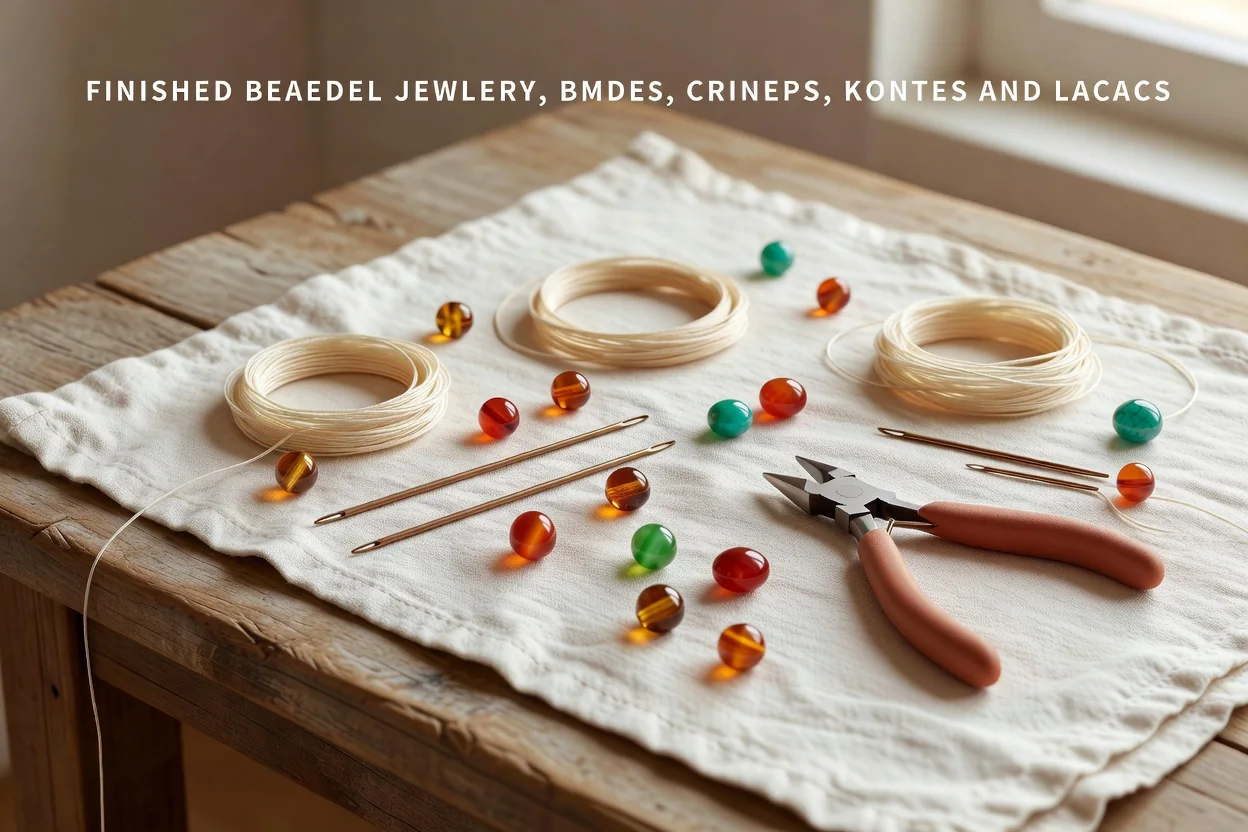
Bead stringing is exactly what it sounds like. You thread beads onto flexible beading wire, secure the ends with crimps or knots, and add a clasp. It is the fastest route to a wearable piece. Most first projects are simple bracelets or single-strand necklaces using gemstone chips, pearls, or larger focal beads. Startup cost sits around $35–$55 for quality wire, crimps, pliers, and a few strands of beads.
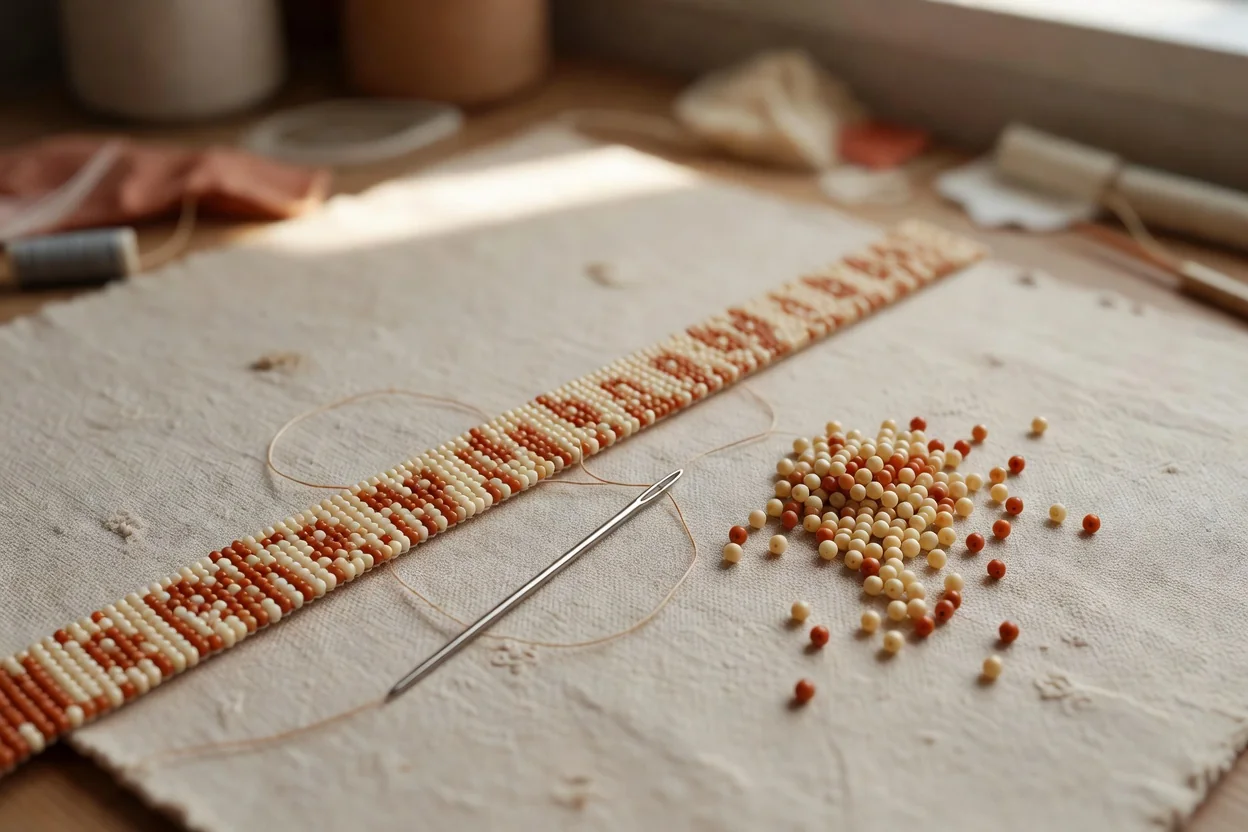
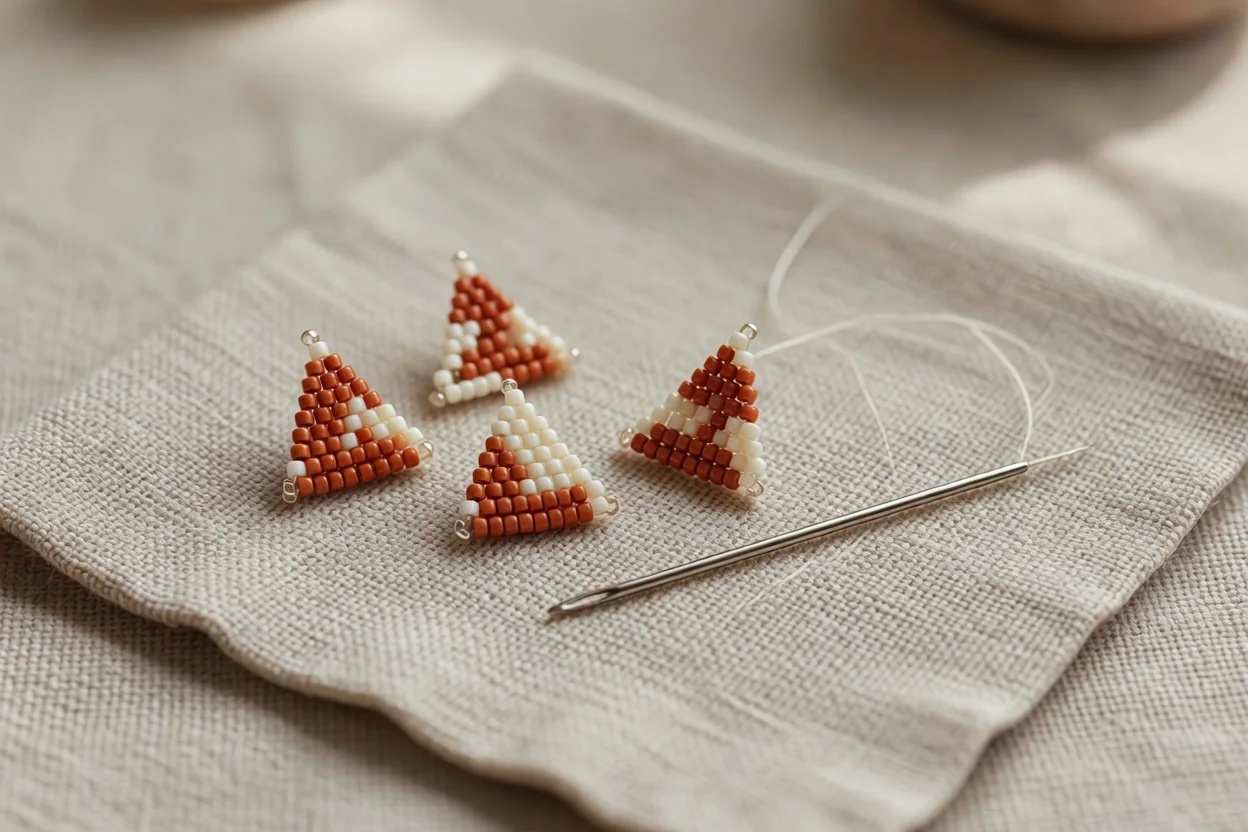
Off-loom bead weaving uses needle and thread to connect tiny seed beads into patterns. Popular stitches include peyote, brick stitch, and right-angle weave. The work grows slowly but produces sculptural cuffs, amulet bags, and bezels that feel like fabric. Expect to spend $45–$70 initially on Japanese seed beads, Fireline or Nymo thread, size 10–12 beading needles, and a bead mat. The learning curve is gentler than it looks once you master tension.
Wire Wrapping Opens New Doors
Wire wrapping turns headpins, eye pins, and raw wire into secure connections and decorative elements. You learn to make simple loops, wrapped loops, and basic bezels around cabochons. It feels immediate because each wrapped loop gives a satisfying click of completion. Basic tools—chain-nose pliers, round-nose pliers, and flush cutters—plus 20- and 22-gauge wire cost $50–$75 to start. Many makers discover they enjoy the tactile rhythm and later move into soldering and metalsmithing.
Each path has its own common beginner pitfalls. Stringers battle with frayed wire ends and weak crimps. Weavers fight uneven tension that makes their first strips curl like bacon. Wire wrappers create lopsided loops until muscle memory kicks in. All three improve dramatically after the first five or six practice pieces.
| Technique | Best For | Startup Cost | Learning Curve | First Project |
|---|---|---|---|---|
| Stringing | Quick everyday jewelry | $35–55 | Gentle (1–2 hours) | Single-strand gemstone bracelet |
| Bead Weaving | Intricate, sculptural work | $45–70 | Moderate (4–6 hours) | Simple peyote tube or bracelet strip |
| Wire Wrapping | Structured pendants & connectors | $50–75 | Moderate (3–5 hours) | Wrapped-loop earrings or basic pendant |
Choosing Your First Path
Look at your jewelry box. If you crave color and length, begin with stringing. If you love geometric patterns and don’t mind working small, pick up a bead-weaving kit. If you enjoy tools and the idea of making components that others will use, start with wire. Many experienced makers eventually combine all three, but starting with the one that excites you most prevents abandoned projects.
Remember that prestige is a poor teacher. A perfectly crimped necklace that you actually wear beats an unfinished peyote cuff gathering dust. Give yourself permission to begin simply. The beads will still be there when you’re ready for the next challenge.
- Buy only enough supplies for three practice pieces in your chosen technique.
- Watch short, silent video loops rather than long tutorials when you first start.
- Finish every practice piece—even the ugly ones—to build confidence.
By the end of your first month you will know which technique feels like play and which feels like work. That knowledge is worth far more than any perfectly executed stitch or loop.