How to Read Beadweaving Patterns, Charts and Word Charts
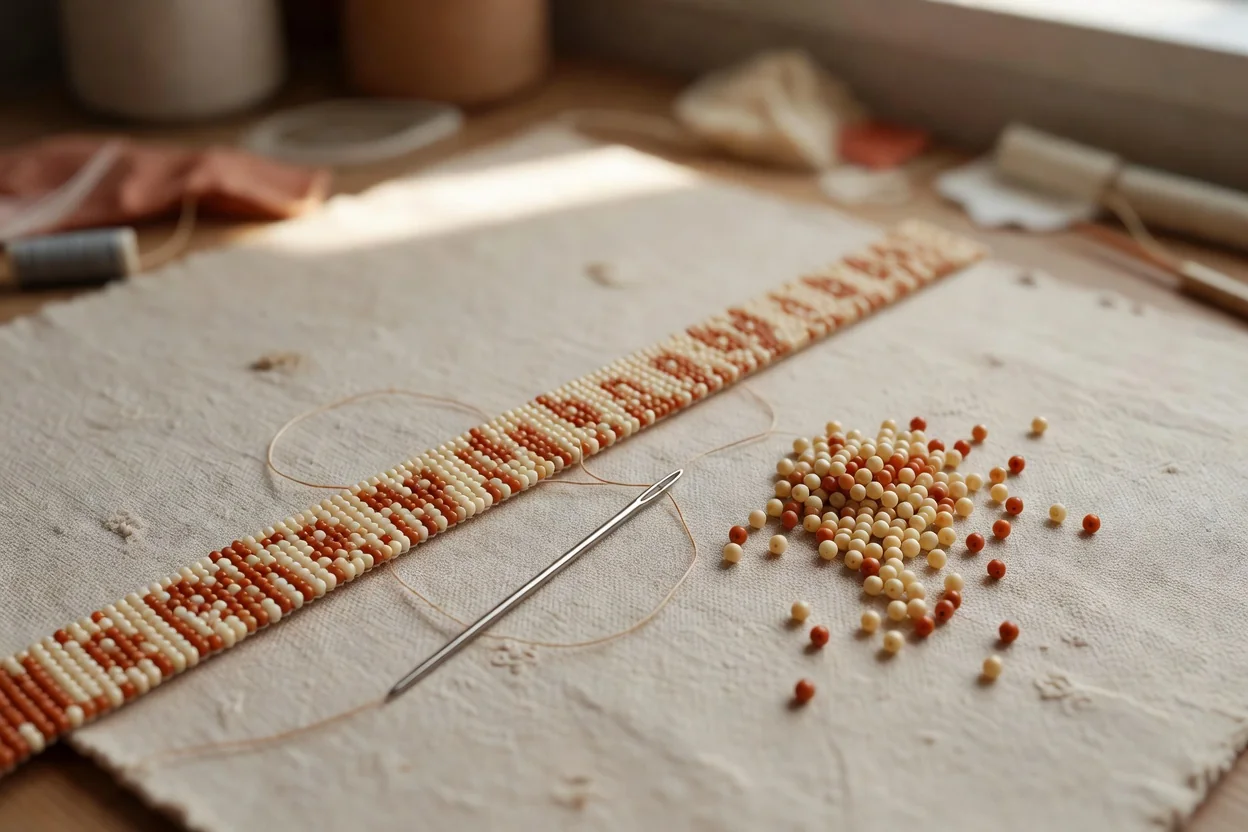
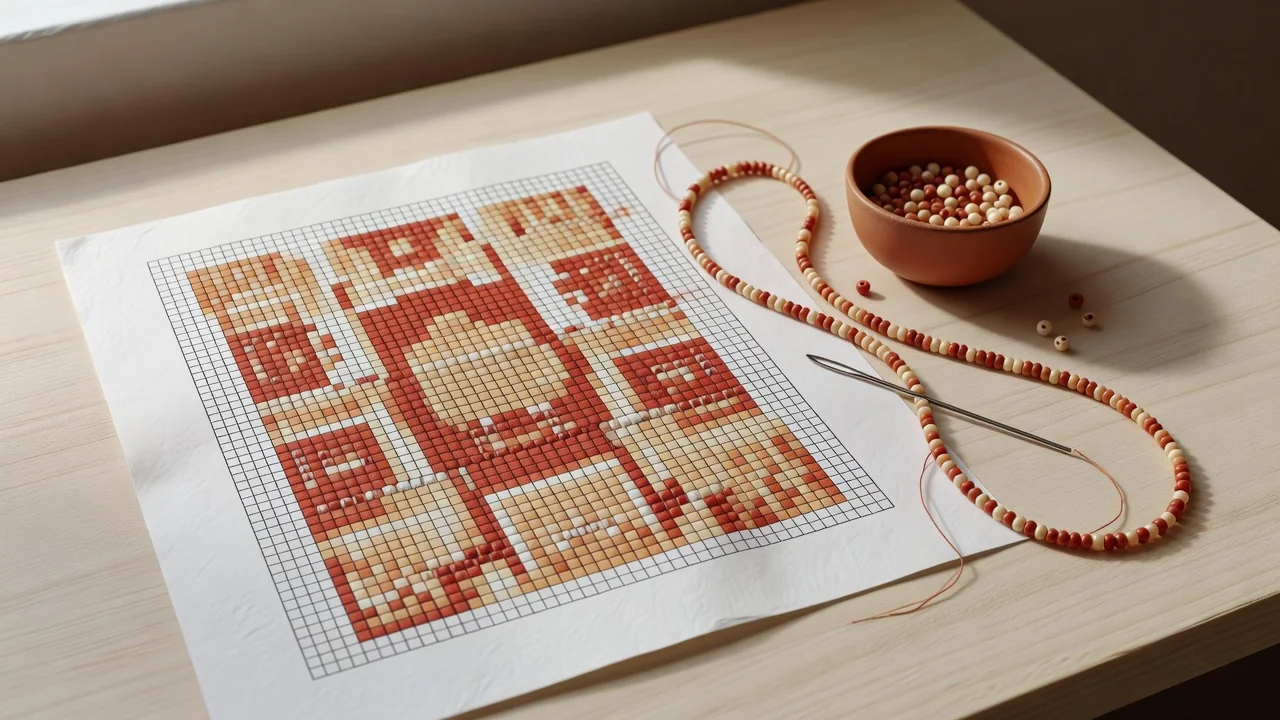
Beadweaving patterns can look intimidating at first, but learning to read them is like picking up a new language. Whether you’re working from a photograph, a graphed chart, or a written word chart, each format offers different advantages. A photo shows the finished piece in real life, helpful for understanding color blending and texture. A chart uses colored squares or symbols to represent every bead, making it easier to track exact placement. A word chart spells out each row in plain text, often preferred by those who dislike counting tiny squares on a screen.
Understanding how the grid changes depending on the stitch is crucial. In peyote stitch the rows are offset like bricks, so the chart may appear staggered. Brick stitch charts usually show a vertical orientation with each row shifted half a bead. Loom-woven charts resemble a perfect grid because the beads sit straight in both directions. Always check the pattern notes for the stitch type before you begin counting.
Following Row Numbers and Direction Arrows
Most charts number rows along the side. Arrows often indicate whether you read left to right or right to left on alternate rows, especially in peyote and brick stitch where the thread path zigs and zags. Typical patterns use odd rows going right to left and even rows returning left to right, but always confirm the starting point. Missing arrows or inconsistent numbering is a common red flag in poorly drafted patterns.
Common Abbreviations and What They Mean
Designers rely on shorthand to keep instructions compact. Learning these abbreviations saves time and prevents mistakes. Here are the most frequent ones you will meet:
- DB or Delica – cylinder bead, usually size 11/0
- SB or Seed – round seed bead, size 11/0 or 15/0
- WT – warp thread or working thread
- Inc – increase by adding extra beads
- Dec – decrease by skipping or stitching through multiple beads
- Rep – repeat the sequence that follows
- PT – pass through
- Ex – exit from the bead just added
| Symbol | Meaning | Typical Use |
|---|---|---|
| ■ | Black or dark bead | Background or outline |
| □ | White or transparent bead | Highlight areas |
| ● | Round seed bead | Edge embellishment |
| ◆ | 2 mm crystal or fire-polished bead | Accent points |
| R | Right angle weave unit | Base structure |
Counting Beads and Checking Dimensions
Before buying supplies, count every color on the chart. For a typical bracelet 6–8 inches long in size 11 Delicas, you might need 800–1,200 beads total. Multiply the number of beads shown in each color by the repeat count if the pattern includes repeats. Many designers provide a bead list; double-check it against your own count.
Finished dimensions are usually given in both rows and inches. A peyote cuff that is 32 rows wide by 120 rows long might measure roughly 2 by 7 inches when using standard cylinder beads. Measure a tension swatch of ten rows to verify the pattern’s numbers match your own stitching tension. If the pattern gives no finished size and no bead counts, treat it as a warning sign.
Other red flags include missing thread paths in complex sections, color keys that use only vague descriptions like “blue” instead of specific bead codes, and charts without a starting bead clearly marked. A well-drafted pattern from 2026 will include a color key with manufacturer codes, row-by-row bead totals, and at least one diagram showing the thread path through the first few rows. Taking time to read carefully before threading a needle prevents frustration and wasted materials later.