Selling Handmade Jewelry in 2026: Online Shops and Craft Fairs
In 2026, makers of handmade beaded jewelry face more choices than ever for reaching buyers. Whether you string delicate seed beads into intricate mandalas or craft bold statement pieces with chunky gemstones, the decision comes down to balancing control, costs, and time. Many successful artists blend online marketplaces for volume, their own webshops for higher margins, and weekend craft fairs for personal connection.
Online marketplaces offer instant traffic but take a cut of every sale and often require competitive pricing. Standalone webshops give you full branding freedom and let you keep more of each transaction, yet you must drive your own visitors through social media or email lists. Local craft fairs and consignment galleries provide face-to-face feedback and loyal repeat customers, though they demand travel, booth fees, and weather luck.
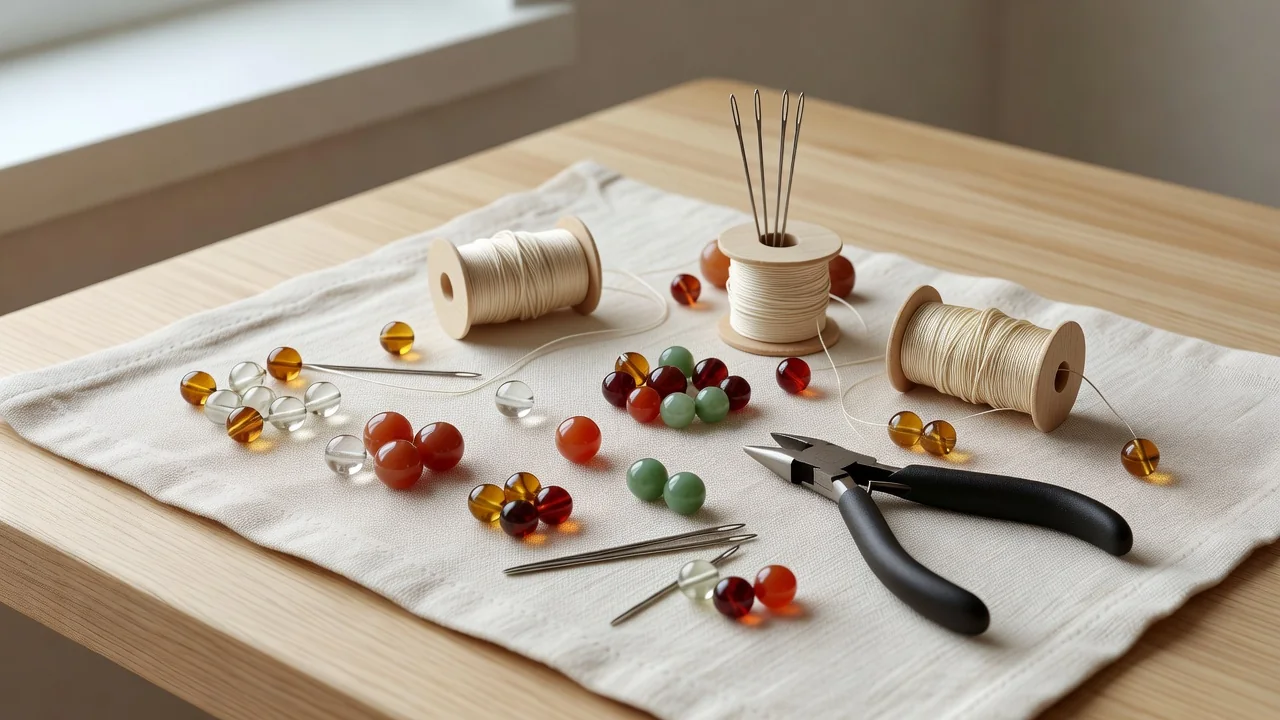
Product Photography for Tiny Shiny Objects
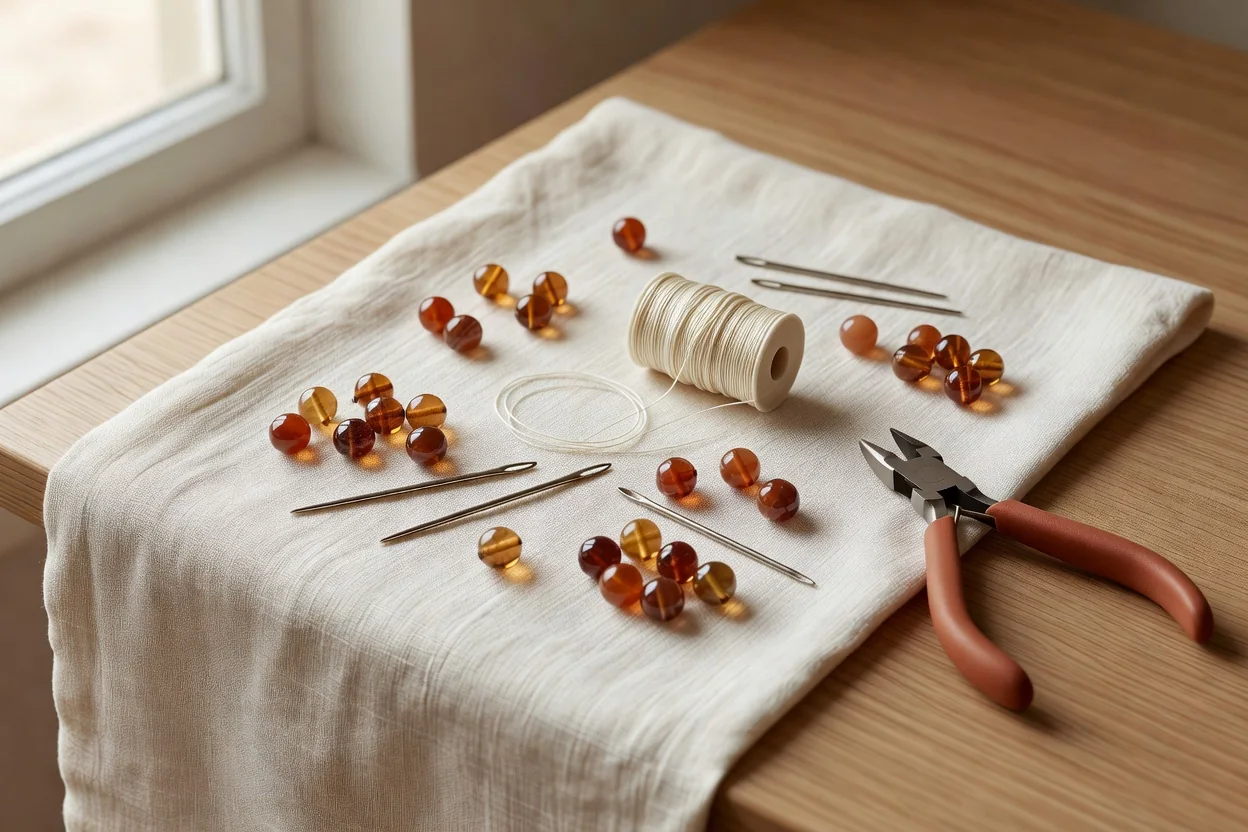
Beaded jewelry photographs best in diffused natural daylight near a north-facing window. Avoid direct sun that creates harsh reflections on metal findings and glass beads. Use a simple macro lens or phone attachment to capture texture and color accuracy. Always include a scale reference—such as a coin or fingertip—so buyers understand size. A plain white or neutral linen background keeps attention on your work rather than busy patterns. Take multiple angles, including close-ups of clasps and knotting details that prove quality.
Listing Copy, Tags, and Legal Basics
Write descriptions that tell a story without fluff. Mention materials, bead origin if ethical, and the time spent per piece. Use specific tags like “hand-knotted garnet necklace,” “sterling silver ear wires,” and “boho beaded bracelet.” In many regions you must register a business name, collect and remit sales tax, and follow hallmarking rules for precious metals. Research your local requirements early; laws vary widely by country and even by state. The article you are reading cannot replace official advice—always verify current regulations yourself.
- Choose packaging that protects delicate beads during transit—bubble mailers with extra padding and stiff card inserts prevent tangling.
- Include a handwritten thank-you note and care instructions printed on recycled cardstock to strengthen customer relationships.
- Ship via tracked services for pieces over a certain value; smaller items can use affordable letter mail with insurance options.
Comparing Sales Channels in 2026
| Channel | Reach | Cost Type | Effort Level |
|---|---|---|---|
| Marketplaces | Global, built-in traffic | Commission per sale + listing fees | Medium – optimize listings |
| Own Webshop | Self-generated audience | Monthly hosting + payment processing | High – marketing required |
| Craft Fairs & Consignment | Local and regional | Booth fees or commission split | High – travel and setup |
Packaging and shipping remain crucial across every channel. Lightweight padded envelopes keep costs down while preventing bead strands from shifting. For craft-fair sales, bring pretty display boxes so customers leave with an experience, not just a bag. Many makers now offer free shipping thresholds to increase average order value online.
Successful beaded-jewelry sellers treat each channel as a complementary tool rather than a single solution. Start small, test what your particular style and customer base respond to, and scale the methods that feel sustainable. Whether you sell at a bustling holiday market or ship delicate earrings across continents, the core remains the same: honest craftsmanship, clear photography, and genuine connection with the people who wear your work.
Remember to check all platform fees and local legal obligations yourself before launching. Regulations and costs change frequently, and only current official sources can give you accurate guidance for your location in 2026.