Designing Jewelry Collections That Sell: Color, Cohesion and Price Ladders
In 2026, jewelry buyers crave more than pretty objects; they look for stories they can join. A well-planned collection gives them that story. Instead of browsing scattered one-off pieces, customers discover a world with its own rules of color, shape, and feeling. That coherence turns browsers into buyers and buyers into repeat customers who return for the next drop or to build their own sets.
Collections also simplify gifting. A coordinated set of earrings, pendant, and bracelet becomes an instant “mother and daughter” gift or a bridal party present. When pieces speak the same visual language, shoppers trust that everything will look intentional when worn together.
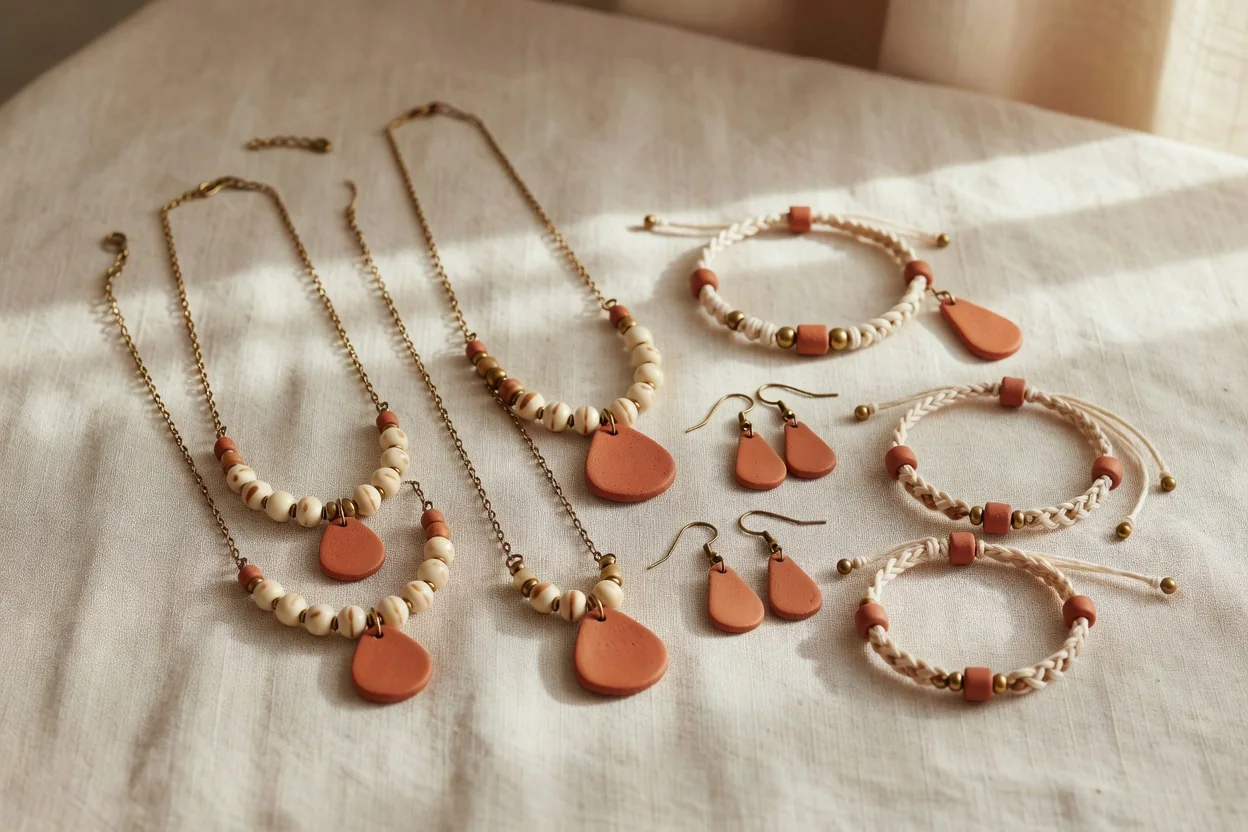
Choosing a Tight Color Palette and Signature Element
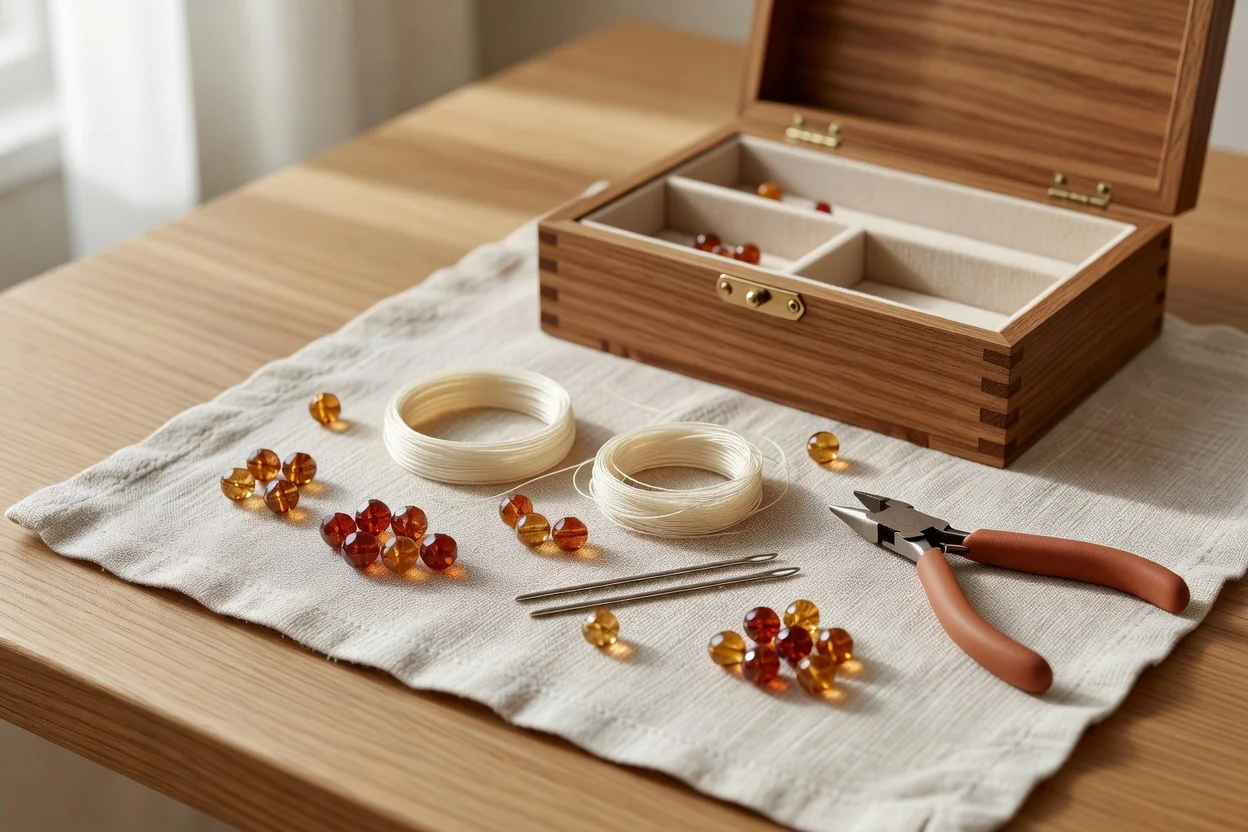
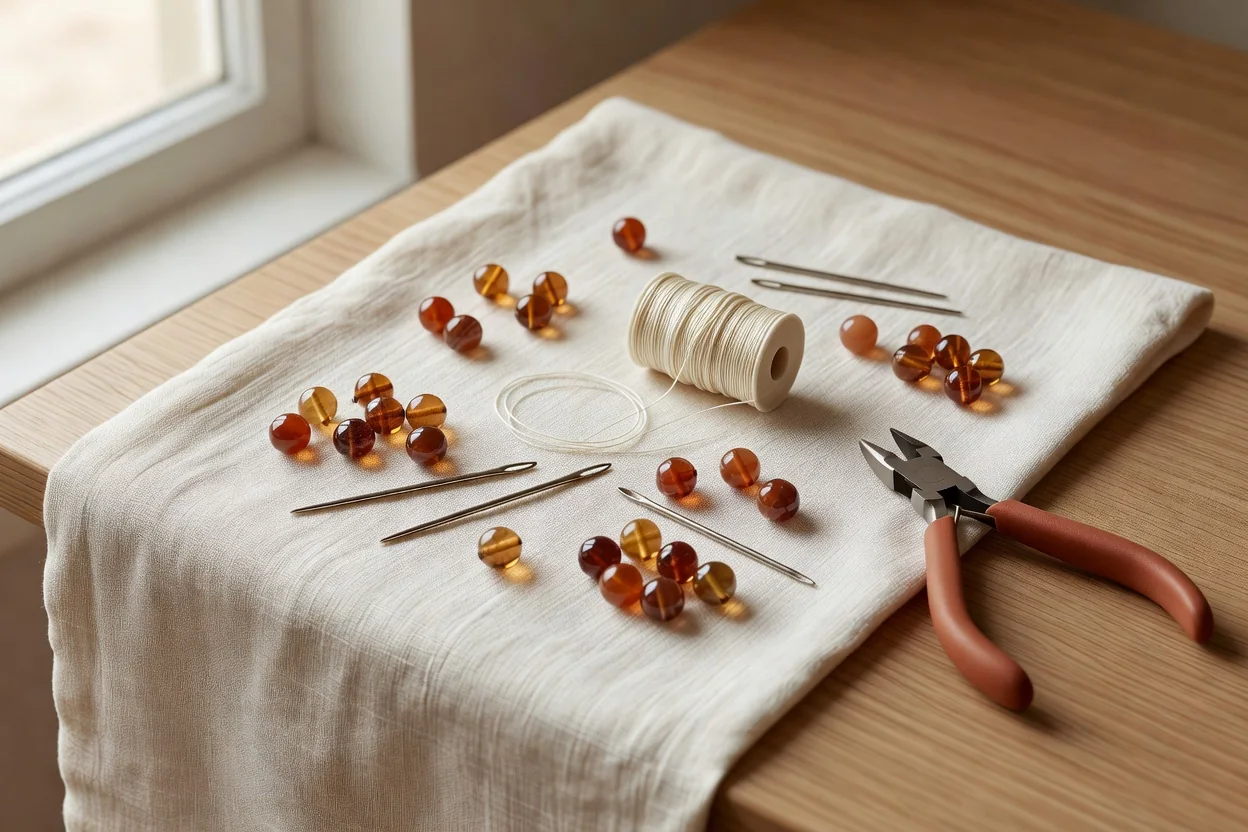
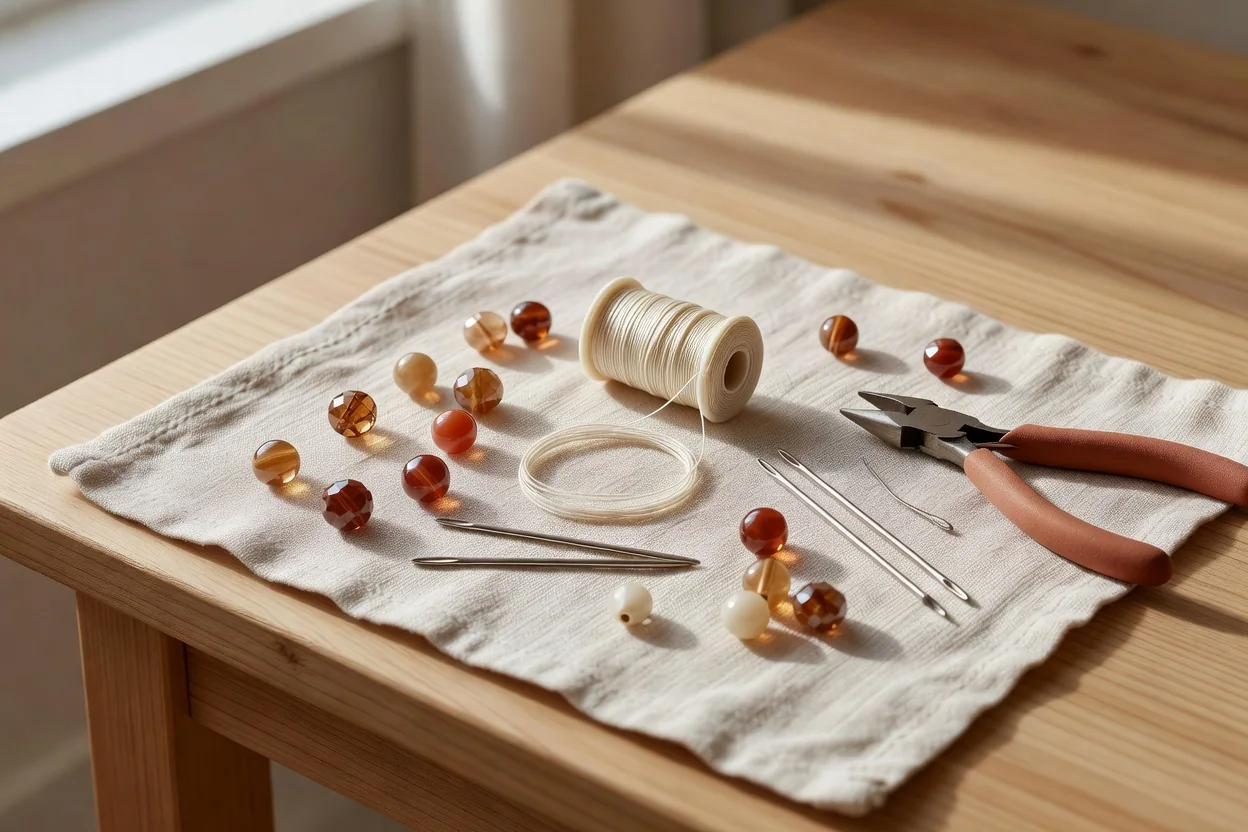
Begin by limiting yourself to three to five colors that look beautiful together under natural light and indoor bulbs alike. A signature element—perhaps faceted labradorite beads, hammered brass ovals, or a particular oxidized silver finish—acts as the thread that ties every piece together. This restraint does not stifle creativity; it actually sharpens it. Makers who test small batches of five to ten pieces quickly learn which combinations resonate before investing in larger quantities of gemstones or chain.
Building a Price Ladder That Welcomes Every Budget
Smart collections offer clear entry points. A buyer who cannot afford the large statement necklace can still join the world with a pair of petite stud earrings. The ladder typically moves from impulse-priced items under $45, through mid-range gifts around $85–$160, up to hero pieces that become the collection’s centerpiece. Matching sets planned from the start encourage customers to add coordinating items later, increasing lifetime value without high-pressure sales.
Watch your own buyers carefully. Taste varies sharply between markets—coastal minimalists may prefer cool silver and pale stones while craft-fair crowds lean toward warm brass and richer hues. Track which pieces sell first and which linger, then adjust future drops accordingly. Small-batch testing keeps risk low and data honest.
Photographing the Collection as a Family
Group photography is essential. Show the entire collection styled together on a single model, laid flat in a pleasing composition, and in lifestyle settings that match your brand voice. Consistent backgrounds and lighting let customers see instantly how pieces relate. When they can visualize the necklace resting just below the collar with the matching earrings catching the light, the collection sells itself.
| Piece Type | Role in Lineup | Relative Price Tier |
|---|---|---|
| Stud or threader earrings | Entry point, everyday wear | Lowest (illustrative example: $35–$55) |
| Hoops or small pendants | Bridge item, gift-friendly | Low-mid (illustrative example: $65–$110) |
| Layering necklaces or bracelets | Core collection builder | Mid (illustrative example: $125–$195) |
| Statement necklace or cuff | Hero piece, visual anchor | Highest (illustrative example: $220–$380) |
| Matching set (earrings + necklace) | Gift and upsell option | Bundle price between mid and high tiers |
- Define your three core colors and one signature element before sketching any new designs
- Map every piece to a specific role and price tier on paper first
- Produce and photograph test batches of five pieces to confirm cohesion
- Style full collection shots showing how items layer and combine
- Review sales data after each release and refine the next palette accordingly
Designing with intention around color, cohesion, and accessible price steps creates jewelry that feels like it belongs together. In a crowded 2026 market, that sense of belonging is what keeps customers coming back to your table, your website, and your story.